

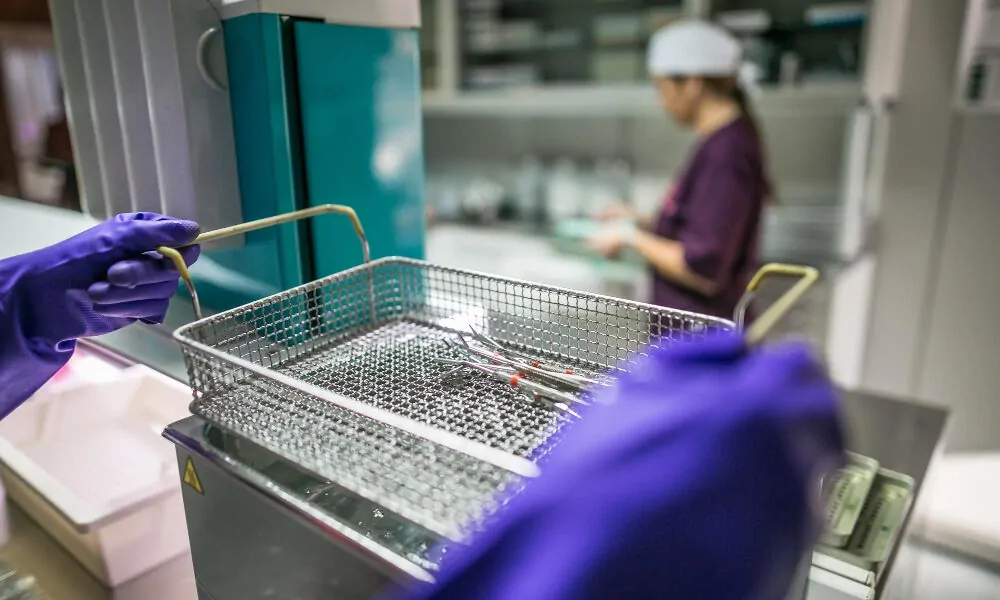
Modern healthcare depends not only on doctors, nurses, and advanced technology, but also on systems that operate quietly behind the scenes. One of the most critical of these systems is central sterile processing. Without it, surgeries cannot take place, infection control breaks down, and patient safety is immediately compromised. Despite its importance, central sterile processing is often poorly understood by people who are new to healthcare or exploring medical careers.
This article explains what central sterile processing is, how it functions inside a hospital, who works in this department, and why it remains essential to modern healthcare. It is written for beginners, career explorers, and anyone seeking a clear, realistic understanding of this field.
What Is Central Sterile Processing
Central sterile processing is a specialized hospital function responsible for cleaning, disinfecting, sterilizing, assembling, and distributing medical instruments and equipment used in patient care, especially in surgical and procedural settings. When people ask what is central sterile processing, the simplest answer is that it is the system that ensures every reusable medical instrument is safe to use on the next patient.
Within a hospital structure, central sterile processing operates as a dedicated department, often referred to as the sterile processing department or the central sterile services department. It works closely with operating rooms, emergency departments, and outpatient procedure areas. While patients rarely see this department, nearly every invasive medical procedure depends on it.
Central sterile processing exists to reduce the risk of infection and to support surgical readiness. Instruments used in surgery come into contact with blood, tissue, and microorganisms. If these instruments are not properly processed between uses, they can transmit infections and cause serious harm. By following strict, standardized procedures, central sterile processing ensures that instruments meet safety and regulatory standards before they return to clinical use.
What Is a Central Sterile Processing Technician
A central sterile processing technician is the professional responsible for carrying out the daily work of the sterile processing department. When people ask what is a central sterile processing technician, they are usually trying to understand who performs this work and how much responsibility the role carries.
Technicians handle reusable medical instruments from the moment they arrive after use until they are ready for the next procedure. Their core responsibilities include cleaning contaminated instruments, inspecting them for damage or residue, assembling instrument trays, operating sterilization equipment, and documenting each step of the process.
The scope of accountability is significant. Technicians are expected to follow protocols exactly, recognize potential problems, and stop the process if safety is compromised. A missed step or incorrect setting can result in non-sterile instruments reaching a patient area.
It is also important to clarify what this role is not. A central sterile processing technician is not a nurse, not a surgeon, and does not provide direct patient care. However, the work they do directly affects patient outcomes, making the role an essential part of the healthcare team.
How the Central Sterile Processing Department Works
The central sterile processing department follows a structured workflow designed to prevent cross-contamination and ensure consistency. This workflow is typically divided into distinct stages, each performed in a controlled environment.
Decontamination
Used instruments first enter the decontamination area. Here, technicians remove visible soil using manual cleaning, ultrasonic cleaners, or automated washers. This step reduces bioburden and prepares instruments for further processing.
Inspection
After cleaning, instruments are carefully inspected. Technicians check for cleanliness, functionality, and damage. Even small defects can affect surgical performance or compromise sterilization.
Assembly
Clean and inspected instruments are assembled into trays or sets according to standardized lists. Accuracy is critical, as missing or incorrect instruments can delay procedures.
Sterilization
Assembled trays are placed into sterilizers that use methods such as steam, low-temperature gas, or other approved technologies. Each method follows validated parameters for time, temperature, and pressure.
Distribution
Once sterilization is complete and verified, instruments are stored or delivered to operating rooms and procedure areas as needed.
Throughout this process, the department maintains constant interaction with operating rooms and clinical staff. Standardization, documentation, and adherence to protocols are essential, as they ensure safety, traceability, and regulatory compliance.
Central Sterile Processing Program: What Does Training Include
A formal central sterile processing program prepares individuals to work safely and competently in this environment. While some skills can be learned on the job, structured training provides a stronger foundation and reduces the risk of errors.
Training typically includes both theoretical instruction and practical preparation. Theoretical components focus on understanding why processes exist, while practical components focus on performing tasks correctly and consistently.
Core topics commonly covered include infection control principles, identification and handling of surgical instruments, sterilization methods, and proper documentation practices. Students learn how microorganisms spread, why specific cleaning steps are required, and how to interpret sterilization indicators.
Formal programs generally outperform informal on-the-job learning because they provide standardized education, reduce knowledge gaps, and prepare trainees for certification exams and real-world expectations. Hospitals increasingly prefer candidates who have completed recognized training rather than relying solely on internal instruction.
Career Path and Job Outlook in Central Sterile Processing
Central sterile processing offers a clear entry-level pathway into healthcare. Many technicians begin in junior or technician roles and build experience over time. As skills and knowledge increase, advancement opportunities become available.
Potential career progression includes lead technician roles, supervisory positions, and management within the sterile processing department. Some professionals also move into education, quality assurance, or vendor-related roles involving medical equipment.
Demand for sterile processing professionals remains stable. Hospitals continuously hire for this role because surgical services are ongoing, regulatory requirements are strict, and turnover can occur due to the demanding nature of the work. Central sterile processing in healthcare is not optional; it is a permanent and essential function.
Why Central Sterile Processing Is Critical to Modern Healthcare
Errors in sterile processing can have serious consequences. Improperly cleaned or sterilized instruments increase the risk of surgical site infections, which can lead to extended hospital stays, additional treatments, or life-threatening complications.
Beyond patient harm, failures in sterile processing can cause surgery delays, canceled procedures, and regulatory violations. Hospitals are subject to inspections, audits, and accreditation reviews, all of which evaluate sterile processing practices.
This function cannot be automated or eliminated because it requires human judgment, inspection, and accountability. While technology supports the process, trained professionals are needed to operate equipment, interpret results, and respond to problems. Central sterile processing plays a direct role in maintaining compliance with healthcare standards and protecting institutional credibility.
Is Central Sterile Processing a Good Career Choice?
Central sterile processing is well suited for individuals who prefer structured work, clear procedures, and defined responsibilities. Attention to detail, discipline, and comfort with protocols are essential traits for success. People who take pride in accuracy and consistency often perform well in this environment.
Those who may struggle include individuals who dislike repetitive tasks, resist rules, or prefer highly creative or patient-facing roles. The work can be physically demanding and requires sustained focus, which is not appealing to everyone.
Realistic expectations are important. This is not a high-visibility role, and recognition may be limited compared to clinical positions. However, it offers stability, entry into healthcare without extensive schooling, and opportunities for growth within a defined system.
Central sterile processing is a foundational element of modern healthcare. It supports surgery, infection prevention, and regulatory compliance, making it indispensable to hospital operations. Although it operates behind the scenes, its impact on patient safety is significant and measurable.
Proper training and a clear understanding of the role are critical for anyone considering this field. By researching education options, learning about department workflows, and understanding expectations, prospective professionals can make informed decisions about whether central sterile processing aligns with their goals.
As healthcare systems continue to prioritize safety and quality, central sterile processing will remain a vital and respected part of the industry.