

If you’re thinking about healthcare but don’t want to spend years in school, sterile processing is one of the most practical paths to look at.
This role gives you a way into hospitals and surgical centers without a nursing degree or a long college program. It’s structured, in demand, and much more accessible than many people expect. That’s why so many people ask how to become a sterile processing technician — especially career changers, immigrants, and anyone looking for a more stable direction.
The good news is that the path is clear. You need training, a solid understanding of the work, and in many cases certification. Once those pieces are in place, you can start applying for jobs and build from there.
In this guide, we’ll break down what the job actually looks like, what employers expect, how long the process takes, and how people usually go from “I’m interested” to “I’m hired.”
What Does a Sterile Processing Technician Do?
Before talking about the steps, it helps to understand the job itself.
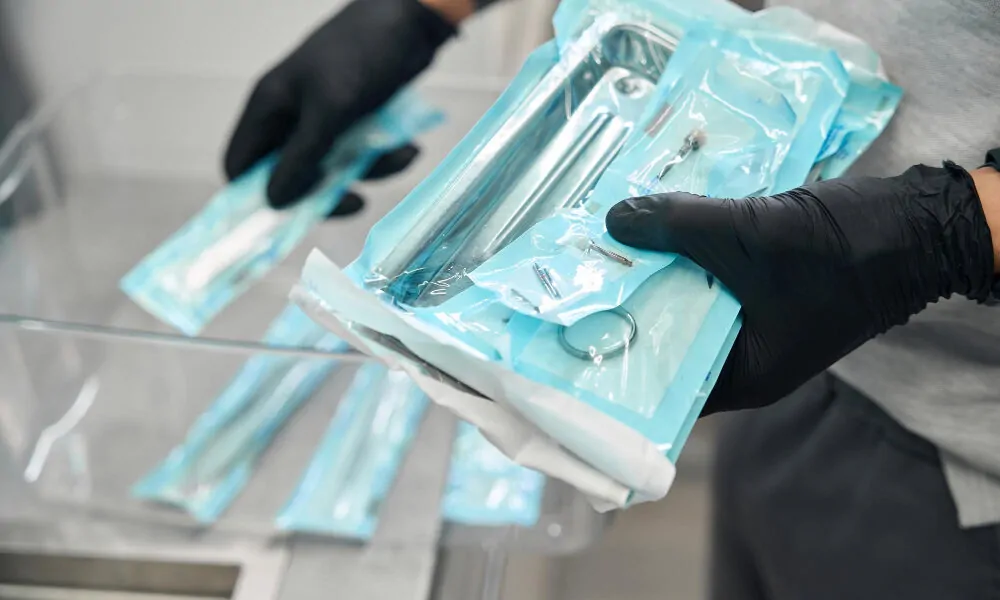
A sterile processing technician works behind the scenes in healthcare. Their job is to make sure surgical instruments and medical tools are cleaned, inspected, sterilized, packaged, and ready to use.
That includes things like:
- receiving used instruments from operating rooms
- decontaminating and washing them
- checking for damage or missing parts
- assembling trays for surgery
- loading and monitoring sterilization equipment
- storing sterile instruments correctly
So if you’ve been wondering what does a sterile processing technician do, the short answer is this: they help make surgery possible and safe.
It’s detailed work. It’s process-driven. And it matters more than most people realize.
Requirements to Become a Sterile Processing Technician
One reason this profession appeals to so many people is that the entry barrier is lower than in many other healthcare roles.
The basic sterile processing technician requirements are usually straightforward:
- a high school diploma or GED
- ability to follow instructions and protocols
- comfort working on your feet
- attention to detail
- willingness to learn technical processes
You do not need a nursing degree. You do not need years of previous medical experience. And in many cases, you can start from zero if you’re willing to train properly.
When employers talk about sterile processing technician qualifications, they usually mean a mix of training, reliability, and readiness for the role. Certification is often a major plus, and in some places it is strongly preferred or required.
This is why the training part matters so much. A good program doesn’t just “teach the topic.” It helps you become employable.
Step-by-Step Guide: How to Become a Sterile Processing Technician
If you want the clean version of the process, here it is.
1. Finish high school or have a GED
This is the basic requirement for most training programs and employers.
2. Choose a training program
This is the step that shapes everything else.
You’ll see a few options out there:
- community colleges
- vocational schools
- hospital-based programs
- online training programs
For many people, online training is the most realistic choice because it’s faster, more flexible, and easier to fit around work or family responsibilities.
Multyprep is a good example of that kind of structure. Their program is built around a 14-week format and includes:
- a 168-hour preparation course
- all study materials
- access to 1,000+ custom-made practice questions
- a 2-week Exam Boost Workshop
- help with the exam application process
- ongoing support until you pass the exam
That makes a big difference because most students don’t need “more random information.” They need a clear system.
3. Prepare for certification
If you’re asking how to become a certified sterile processing technician, this is the key phase.
The most recognized certification is CRCST. Many employers look for it, and in some markets it gives you a much stronger position from the start.
This part is easier when your program is already built around exam prep instead of leaving you to figure it out alone.
4. Complete practical hours if needed
After passing the exam, many students can start working with a provisional certification while completing their required hands-on hours on the job.
That’s a big advantage because it means you do not always have to wait until every hour is finished before entering the field. Instead, you can move into real work, gain experience in a healthcare setting, and complete those practical hours as part of your start in the profession.
This is one of the reasons students often choose programs that offer more than lessons alone. When the goal is employment, not just studying, career guidance and a clear next-step plan matter a lot.
5. Start applying for jobs
Once you’ve trained and prepared for certification, you move into the job search stage.
That usually means:
- building a resume
- applying to hospitals and surgical centers
- preparing for interviews
- understanding what local employers want
This is where support can really matter. Multyprep’s higher-tier packages include resume creation, interview prep, job search workshops, recommendation letter support, and ongoing guidance until you get hired. For someone entering healthcare for the first time, that can save a lot of time and confusion.
How Long Does It Take to Become a Sterile Processing Technician?
This is one of the biggest reasons people choose this profession.
If you’re asking how long does it take to become a sterile processing technician, the answer is usually measured in months, not years.
A focused path often looks like this:
- training: about 14 weeks
- exam preparation: built into the program or added right after
- certification process: depends on timing
- job search: varies by market and readiness
In practice, many students are able to move from training into serious job readiness much faster than they expected.
Some slower school-based routes can take closer to a year, especially when they include extra coursework that isn’t directly tied to the job. That’s one reason many people now choose faster, more focused programs instead.
Sterile Processing Technician Training Programs
Not all programs are built the same way.
Some are academic. Some are rigid. Some are inexpensive but leave too much for the student to figure out alone.
When comparing training options, it helps to ask:
- Is the program focused on real job readiness?
- Are study materials included?
- Is exam prep built in?
- Is support available if I struggle?
- Is there help after the training ends?
For many students, the best option is not the cheapest and not the most expensive. It’s the one that actually prepares them for the next step.
That’s where Multyprep stands out well. The program is not just a pile of lessons. It’s structured around getting students through training, through exam prep, and toward employment with as little wasted motion as possible.
And because the base tuition includes the materials and exam preparation support, students are not constantly running into add-ons that slow them down.
Certification — Do You Need It?
In many cases, yes — or at least you should plan for it.
The two best-known credentials are:
- CRCST
- CSPDT
If your goal is long-term employability, CRCST is often the stronger path because it’s widely recognized and tied closely to what hospitals look for.
So if you’re thinking about how do I become a sterile processing technician in a way that actually leads to work, the answer usually includes certification.
It makes your resume stronger. It helps you stand out. And in some areas, it’s part of what gets you in the door.
FAQ
How do I become a sterile processing technician with no experience?
You start with training. Many people enter this field without prior hospital experience. The right program helps close that gap quickly.
Can I become a sterile processing technician online?
Yes. Many people now choose online programs because they’re faster and more flexible. The key is choosing one that gives real structure and exam preparation.
What education do I need?
The basic sterile processing technician education requirements usually start with a high school diploma or GED. Beyond that, what matters most is proper training and certification prep.
Is sterile processing hard to learn?
It’s learnable. The role requires discipline, consistency, and attention to detail more than academic complexity.
How do you become a sterile processing technician if English is not perfect?
You still can, as long as you can follow training and understand workplace instructions. Many students improve their English while studying and working.
Is this a good career to start with?
For many people, yes. It offers a relatively fast path into healthcare, structured work, stable demand, and room to grow.
Conclusion
If you’ve been trying to figure out how to become a sterile processing technician, the path is more practical than many people think.
You do not need a long degree. You do not need years of prior medical experience. What you do need is focused training, exam preparation, and a plan.
That’s why structured programs make such a difference. Instead of piecing together random materials and hoping it works, you can move through a system that’s already designed to take you from beginner to job-ready.
Multyprep is a strong example of that approach. With a 14-week program, built-in materials, practice questions, exam support, and optional career services, it gives students a clear route into the field instead of just information.
If you’re serious about starting, the next step is simple: choose a program that helps you move forward, not just study in circles.