

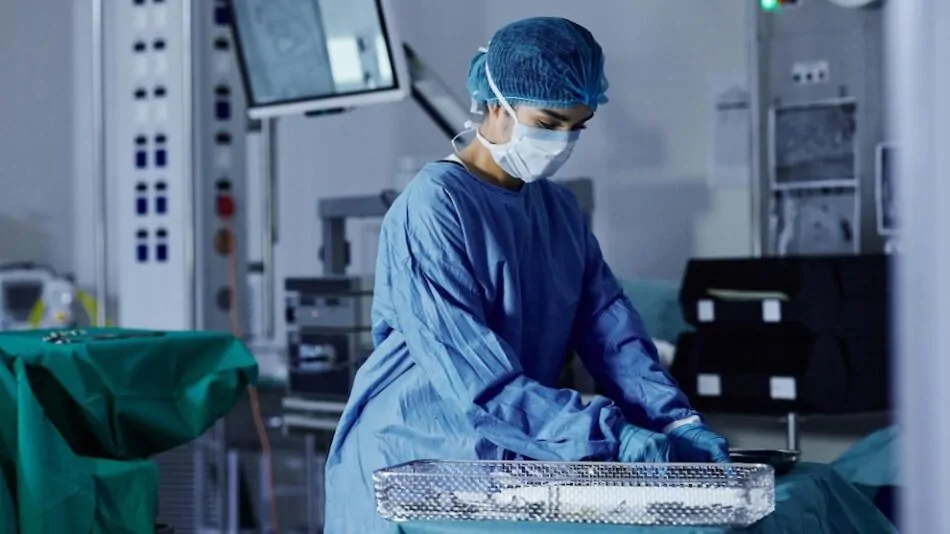
If you’re asking what is a sterile processing technician, you’re looking at one of the most practical entry points into healthcare. This role focuses on cleaning, sterilizing, and preparing surgical instruments so they are safe to use in medical procedures.
A sterile processing technician works behind the scenes in hospitals and clinics, but their impact is critical. Without proper sterilization, surgeries simply cannot happen safely. That’s why this profession remains in steady demand and is often considered a reliable starting point for a sterile processing technician career.
What Is a Sterile Processing Technician? (Definition)
So, what is a sterile processing technician in simple terms?
It’s a healthcare professional responsible for ensuring that all medical and surgical instruments are properly cleaned, disinfected, sterilized, and ready for use. You’ll often hear this role referred to as a Sterile Processing Tech (SPT) or Central Service Technician.
The sterile processing technician meaning comes down to one core responsibility: infection prevention. Every instrument used in surgery must be safe, traceable, and properly handled — and that’s exactly what this role ensures.
Technicians typically work in the Central Sterile Supply Department (CSSD) of a hospital or in surgical centers, supporting doctors, nurses, and operating room teams.
What Does a Sterile Processing Technician Do? — Daily Duties
A common question is: what does a sterile processing technician do on a daily basis?
The workflow is structured and repetitive, which makes it easier to learn and master over time. Most days include several key stages:
- Receiving used instruments from operating rooms
- Sorting and inspecting tools for damage
- Cleaning and disinfecting instruments
- Preparing and packaging sets for sterilization
- Running sterilization equipment (like autoclaves)
- Tracking and storing sterile instruments
- Delivering ready sets back to departments
These sterile processing technician duties are performed according to strict protocols. That’s why attention to detail is critical — even small mistakes can affect patient safety.
If you’re wondering what do sterile processing technicians do, the short answer is: they make sure every surgical instrument is safe, complete, and ready to use — every time.
Sterile Processing Technician Job Description
A typical sterile processing technician job description includes both technical tasks and general responsibilities.
Here’s what employers usually expect:
- Perform decontamination and sterilization procedures
- Inspect instruments for cleanliness and functionality
- Assemble surgical trays according to specifications
- Operate sterilization equipment
- Maintain accurate records and tracking systems
- Follow infection control standards (AAMI, OSHA guidelines)
These sterile processing technician job duties are standardized across most healthcare facilities. That’s one of the reasons the profession is accessible — once you learn the system, it applies in many workplaces.
For entry-level roles, employers often focus on training, reliability, and basic understanding of processes rather than prior medical experience.
Key Skills of a Sterile Processing Technician
To succeed in this role, you don’t need a medical degree — but you do need the right mindset and habits.
The most important sterile processing technician skills include:
- Attention to detail — small errors matter
- Ability to follow strict protocols
- Physical stamina (standing, repetitive work)
- Organization and consistency
- Basic communication with medical staff
- Willingness to learn and adapt
Technical knowledge is taught during training. That’s why structured programs are important — they help you build these skills step by step instead of figuring everything out on your own.
For example, programs like Multyprep include a full preparation system: structured lessons, practice questions, and guided exam prep. This helps students focus on real job skills instead of just theory.
Work Environment & Hours
Sterile processing technicians typically work in:
- Hospitals
- Surgical centers (ASC)
- Dental clinics
- Specialty medical facilities
The work environment is clean, controlled, and process-driven. You’re not interacting directly with patients, which is a major advantage for many people entering healthcare.
Shifts can vary:
- Day shifts
- Evening shifts
- Night shifts
- Weekends or rotating schedules
Because hospitals operate 24/7, flexibility can actually increase earning potential through overtime or shift differentials.
Is Sterile Processing Technician a Good Job?
A very common question is: is sterile processing technician a good job?
For many people — yes, especially as a starting point.
Here’s why:
- Stable demand in healthcare
- Clear career path
- No need for a medical degree
- Structured work environment
- Opportunity to grow into higher roles
Entry-level technicians can reach around $5,000 per month depending on location and schedule. With experience, many move into lead or supervisor roles with higher income and responsibility.
It’s not an “easy” job — it requires discipline and responsibility. But it’s predictable, practical, and offers long-term stability.
Sterile Processing Technician vs Surgical Technologist
People often compare this role with surgical technologists. While both work in healthcare, the roles are very different.
Sterile Processing Technician:
- Works behind the scenes
- Focuses on instruments and sterilization
- No direct patient interaction
- Shorter training time
Surgical Technologist:
- Works inside the operating room
- Assists surgeons during procedures
- Requires more intensive training
- Higher pressure environment
For many beginners, sterile processing is the more accessible entry point. It allows you to enter healthcare faster and decide later if you want to move into other roles.
FAQ
What exactly does a sterile processing technician do?
They clean, sterilize, inspect, and prepare medical instruments used in procedures.
Do I need experience to start?
No. Many entry-level roles accept candidates without prior medical experience if they have training.
Do sterile processing technicians interact with patients?
No. The role is focused on equipment, not direct patient care.
How long does it take to get started?
Training can take a few months. Multyprep class prepare students in about 14 weeks.
Conclusion
Now you have a clear answer to what is a sterile processing technician and why this role is gaining attention.
It’s a practical healthcare profession focused on safety, precision, and consistency. You don’t need years of education to start, but you do need proper preparation and understanding of the processes.
If you’re considering this path, the next step is simple: learn how the profession works in practice and get trained properly. A structured program with full support, materials, and exam preparation can make the difference between guessing your way through — and actually building a stable career.