

Sterile processing is often described as a “behind-the-scenes” healthcare role, but for many people considering a career change, the real question is simpler and more practical: is this profession actually worth it?
People searching for information about sterile processing are usually not browsing out of curiosity. They are comparing options, weighing stability against workload, and trying to understand whether this career fits their expectations, lifestyle, and long-term plans.
This article takes a realistic, decision-focused look at sterile processing as a career — what the job really involves, why people choose it, where it can be challenging, and who is most likely to succeed in the role.
What Is Sterile Processing as a Career
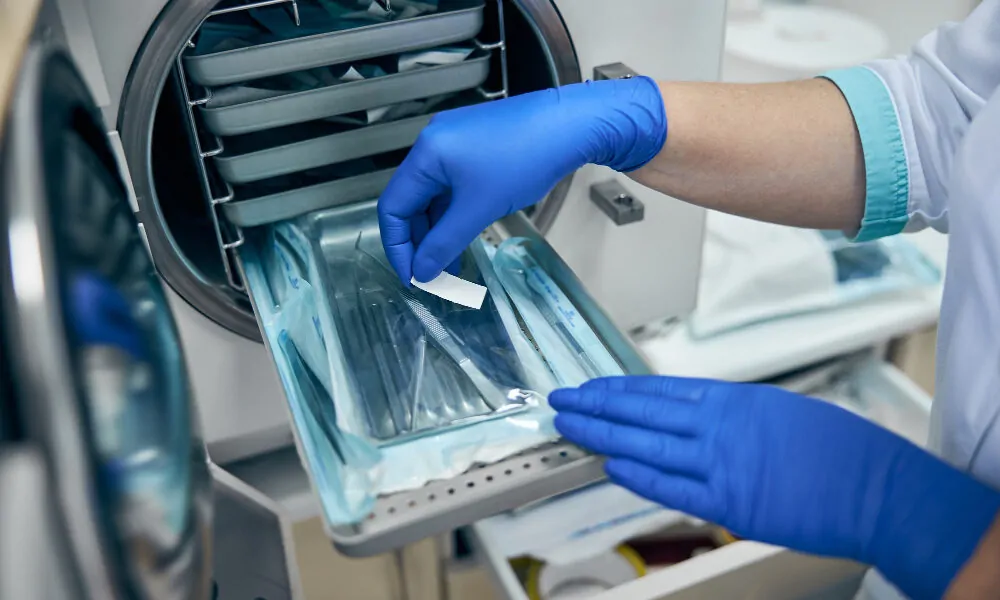
Sterile processing is a healthcare support profession focused on cleaning, inspecting, assembling, sterilizing, and documenting medical instruments used in surgeries and procedures.
Sterile Processing Technicians typically work in hospitals, surgical centers, and specialty clinics. Their work happens away from patients and visitors, usually in dedicated departments that support operating rooms and procedural units.
The role exists because modern healthcare relies on complex reusable instruments that must be processed according to strict standards. Proper sterile processing helps prevent infections, ensures surgical efficiency, and supports compliance with healthcare regulations.
Within hospital operations, sterile processing functions as a critical support system. When it works well, surgeries proceed smoothly. When it fails, delays, cancellations, and safety risks follow.
Is Sterile Processing a Good Career
Whether is sterile processing a good career depends on how “good” is defined.
For many people, a good career means stability, clear entry requirements, predictable responsibilities, and consistent demand. Sterile processing often meets these criteria. Healthcare facilities continue to rely on trained technicians, and the work is not easily automated or outsourced.
At the same time, sterile processing is not a fast-track profession with dramatic upward mobility or creative freedom. It is a structured role built on repetition, protocols, and accuracy.
As a career choice, sterile processing tends to appeal to people who value reliability and defined processes more than flexibility or public recognition.
Is Sterile Processing Technician a Good Career
From a long-term perspective, many people ask whether is sterile processing technician a good career rather than just a temporary job.
In terms of sustainability, the role remains relevant because surgical care continues to expand, especially with aging populations and increased outpatient procedures. Hospitals and surgical centers consistently require trained technicians to maintain operations.
The career is also relatively accessible. Compared to many healthcare roles, entry does not require years of higher education or clinical licensure. This makes sterile processing attractive to career switchers, immigrants, and individuals seeking entry into healthcare.
However, long-term satisfaction often depends on whether a technician pursues advancement opportunities, such as lead or supervisory roles, rather than remaining in the same position indefinitely.
Is Sterile Processing Technician a Good Job
On a day-to-day level, people want to know whether is sterile processing technician a good job and, more practically, is sterile processing tech a good job for their lifestyle.
Daily work typically includes receiving used instruments, performing decontamination, inspecting and assembling trays, operating sterilization equipment, and completing detailed documentation. The work is procedural and repetitive by design.
The environment is usually fast-paced but controlled. Technicians work behind the scenes, without patient interaction, which some people find appealing and others find isolating.
Schedules vary by facility. Many departments operate 24/7, meaning shifts can include evenings, nights, weekends, or holidays. For some, this flexibility is a benefit. For others, it is a drawback.
The role also involves physical and mental demands. Standing for long periods, lifting trays, maintaining focus, and working under time pressure are part of the job.
Pros of a Sterile Processing Career
Sterile processing offers several advantages that make it appealing to a wide range of candidates.
- Stable demand: Hospitals and surgical centers consistently need trained technicians.
- Healthcare entry point: Provides access to the healthcare field without medical or nursing school.
- Clear structure: Defined protocols, procedures, and expectations reduce ambiguity.
- Predictable responsibilities: Daily tasks follow established workflows.
- Advancement opportunities: Potential paths to lead, educator, or supervisory roles.
For individuals seeking a structured and dependable role in healthcare, these factors often weigh heavily in favor of the profession.
Cons and Challenges of Sterile Processing
Any honest evaluation must also address the challenges. Sterile processing is not the right fit for everyone.
- Repetitive work: Tasks are similar day after day, which can feel monotonous.
- High responsibility, low visibility: The work is critical, but recognition is limited.
- Physical demands: Standing, lifting, and working with equipment are routine.
- Limited creativity: Strict protocols leave little room for improvisation.
- Shift work: Non-traditional hours are common in many facilities.
This section is often overlooked in promotional content, but understanding these realities is essential for making an informed decision.
Who Sterile Processing Is a Good Fit For
Sterile processing tends to suit people with specific working preferences and traits.
Those who succeed often demonstrate:
- Strong attention to detail
- Discipline and consistency
- Comfort with rules, protocols, and repetition
- Ability to focus under pressure
By contrast, individuals who prefer constant variety, creative problem-solving, or patient interaction may find the role limiting.
Compared to patient-facing healthcare jobs, sterile processing offers less emotional interaction but more predictable structure.
Career Growth and Long-Term Outlook
Sterile processing is not a dead-end role, but growth is usually incremental.
Common advancement paths include lead technician, shift supervisor, department educator, or management roles. These positions typically require experience, additional training, and demonstrated reliability.
Over time, technicians develop deeper technical skills, stronger workflow awareness, and greater responsibility. Facilities continue hiring because sterile processing is essential to surgical care and regulatory compliance.
From a long-term perspective, the job outlook remains steady rather than explosive — stable, but not rapidly expanding.
Final Verdict: Is Sterile Processing Worth It?
Sterile processing can be a solid career choice for people who value structure, stability, and clear expectations. It works well for those seeking entry into healthcare without pursuing clinical roles.
It may not be ideal for individuals who want creativity, visibility, or rapid career acceleration.
Ultimately, the profession rewards consistency, discipline, and skill development rather than charisma or ambition alone.
For those still exploring options, researching the field carefully and reviewing reputable educational resources — including introductory materials on Multyprep and structured training options available through formal sterile processing courses — can help clarify whether this path aligns with long-term goals.
Choosing sterile processing should be a deliberate decision based on realistic expectations, not assumptions or hype.