

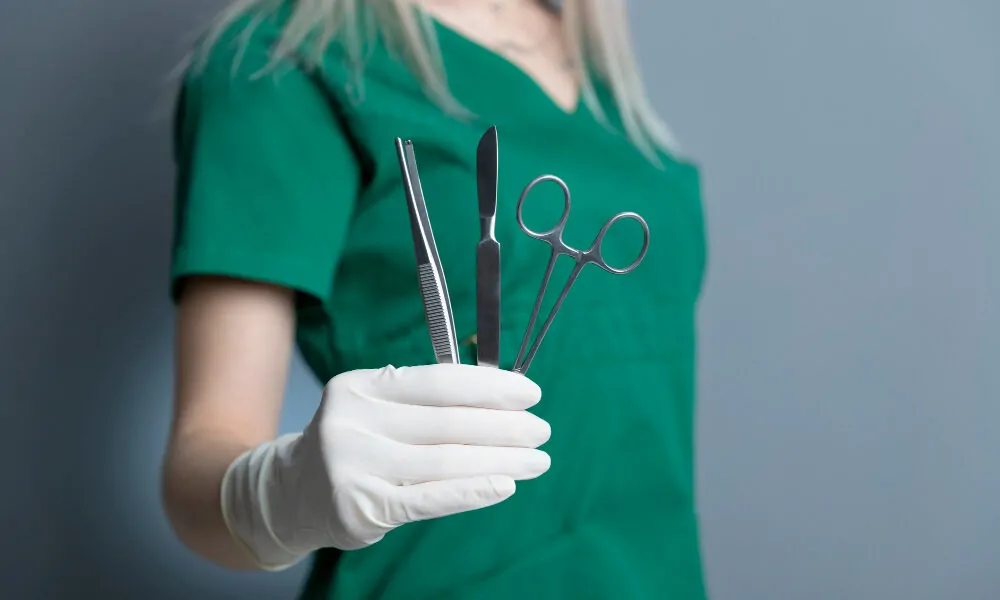
Hospitals rely on complex systems that operate quietly behind the scenes. While doctors and nurses interact directly with patients, many critical processes happen out of sight. One of the most important of these is hospital sterile processing — the system responsible for cleaning, sterilizing, and preparing medical instruments used in patient care.
Without proper sterile processing, even the most advanced medical treatment would become unsafe. This article explains how hospital sterile processing works, what a sterile processing technician is, and what sterile processing technicians actually do on a daily basis.
What Is Hospital Sterile Processing
Hospital sterile processing refers to the structured system within a medical facility that ensures all surgical instruments, medical tools, and reusable equipment are properly cleaned, disinfected, sterilized, and ready for use.
This process exists to prevent infections, protect patients, and maintain hospital safety standards. Every scalpel, clamp, tray, and surgical instrument used in operating rooms passes through hospital sterile processing before and after procedures.
Sterile processing is not optional. Hospitals are required to follow strict infection control protocols, and sterile processing departments operate according to detailed national and hospital-specific guidelines. Any breakdown in this system can lead to serious patient safety risks, including surgical site infections.
Because of this, hospital sterile processing is considered a core support function in modern healthcare systems, closely connected to surgery, emergency care, and inpatient treatment.
What Is a Sterile Processing Technician
Many people unfamiliar with hospital operations ask the same question: what is a sterile processing technician?
A sterile processing technician is a healthcare professional responsible for handling, cleaning, assembling, sterilizing, and distributing medical instruments used throughout the hospital. The role is technical, detail-oriented, and largely performed outside of patient-facing areas.
For those searching “sterile processing technician what is it” or “what is sterile processing technician,” the simplest explanation is this: sterile processing technicians make sure that every instrument used in medical procedures is safe, sterile, and functional before it reaches clinical staff.
Unlike nurses or physicians, sterile processing technicians typically work behind the scenes in specialized departments such as the sterile processing department or central sterile department. Their work directly supports surgical teams but does not involve direct patient interaction.
Hospital Sterile Processing Technician: Role and Responsibilities
The hospital sterile processing technician plays a critical role in hospital operations. While they may not be visible to patients, hospitals depend heavily on their accuracy and consistency.
A hospital sterile processing technician is responsible for maintaining the flow of sterile instruments throughout the facility. Operating rooms, emergency departments, and inpatient units rely on this system functioning without interruption.
Technicians are accountable for following precise procedures, documenting each step of the sterilization process, and ensuring compliance with hospital policies. Mistakes in this role can delay surgeries or compromise safety, which is why attention to detail is considered essential.
The work environment is structured and protocol-driven, with clear procedures and defined responsibilities. Many people are drawn to this role because it offers a way to work in healthcare without direct patient care, while still contributing to critical outcomes.
What Does a Sterile Processing Technician Do
One of the most common questions is: what does a sterile processing technician do on a daily basis?
While tasks can vary by hospital, the core workflow is consistent across facilities. What exactly does a sterile processing technician do can be broken down into several key stages.
The process begins with decontamination. Used instruments arrive from operating rooms and procedure areas. Technicians carefully sort and clean them using specialized equipment and cleaning solutions designed to remove biological material.
Next comes inspection. Instruments are examined for cleanliness, damage, and proper function. Any item that does not meet standards is removed from circulation.
After inspection, instruments are assembled into procedure-specific trays. This step requires accuracy, as surgical teams depend on complete and correctly assembled sets.
Sterilization follows. Trays are placed into sterilization equipment that uses steam, chemicals, or other approved methods to eliminate microorganisms. Each cycle is monitored and documented.
Finally, instruments are distributed back to clinical areas. Sterile processing technicians ensure that operating rooms receive the correct equipment on time.
For those asking what do sterile processing techs do or what do sterile processing technicians do, the answer is that they manage every step of this cycle with precision. Their work supports patient safety long before any procedure begins.
Medical Supply Technician Sterile Processing Explained
In some hospitals, similar roles may be listed under different titles, such as medical supply technician sterile processing. This can cause confusion for job seekers.
The term “medical supply technician sterile processing” often overlaps with sterile processing technician duties. In many cases, the responsibilities are nearly identical, focusing on instrument processing, inventory management, and sterile supply distribution.
Job titles can vary depending on hospital size, location, or administrative structure. Employers may use different terminology, but the core functions remain the same. Understanding these variations helps candidates recognize relevant opportunities even when job titles differ.
How Hospital Sterile Processing Supports Patient Safety
Hospital sterile processing plays a direct role in infection prevention and risk reduction. Properly sterilized instruments are essential to preventing the spread of bacteria and viruses within healthcare facilities.
Hospitals are subject to regular audits and inspections that evaluate sterile processing practices. Technicians must follow established protocols and maintain accurate documentation to meet regulatory standards.
Errors in sterile processing can have serious consequences, including delayed procedures or increased infection risk. For this reason, hospitals emphasize training, standardization, and continuous monitoring within sterile processing departments.
The importance of this work is one reason many facilities prefer technicians who have completed formal training programs that focus specifically on sterile processing workflows and standards.
Is Hospital Sterile Processing a Good Career Choice
Hospital sterile processing is often considered by individuals exploring entry-level healthcare roles or career changes. The position tends to appeal to people who value structured environments, clear procedures, and behind-the-scenes responsibility.
The role is well-suited for individuals with strong attention to detail, discipline, and the ability to follow protocols consistently. Because sterile processing technicians work within defined systems, those who prefer predictable tasks often find the work environment appealing.
At the same time, the job may be challenging for individuals who struggle with repetitive processes or strict compliance requirements. Understanding the realities of the role is important before entering the field.
Many technicians view sterile processing as a foundational healthcare role. It offers exposure to hospital operations and can serve as a stepping stone for further specialization within the medical field.
Understanding the Importance of Sterile Processing Work
Sterile processing is a critical component of hospital operations that often goes unnoticed by the public. Yet every successful surgery and medical procedure depends on the reliability of this system.
Sterile processing technicians ensure that healthcare teams can focus on patient care without worrying about equipment safety. Their work supports infection control, operational efficiency, and overall hospital quality standards.
Because sterile processing is a highly regulated hospital function, many future technicians choose to prepare in advance rather than learn everything on the job. Structured education helps build an understanding of instrument processing workflows, infection control standards, and real hospital expectations before entering the field.
Multyprep offers sterile processing technician training programs designed specifically for U.S. healthcare settings, focusing on practical knowledge, certification preparation, and the realities of working inside hospital sterile processing departments.