

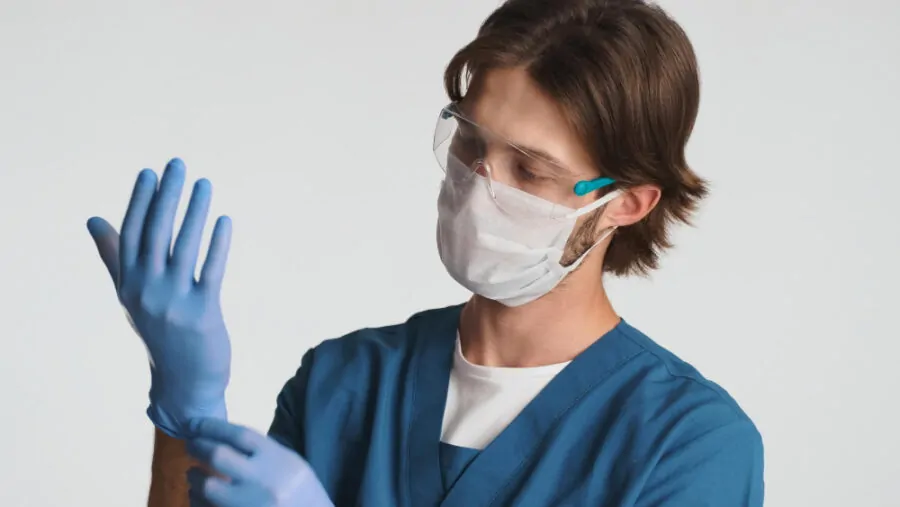
Sterile processing is one of the most skill-dependent roles in healthcare. It is built around precision, repeatability, and strict adherence to standards. Unlike many entry-level positions, success here depends less on personality and more on the ability to perform complex processes correctly every single time.
For people considering this career path, the real question is not whether the job is “hard” or “easy,” but whether their skill set — or their willingness to develop it — aligns with the realities of hospital sterile processing departments.
This article focuses specifically on the skills required to succeed, how those skills are evaluated in real hospital environments, and how prospective technicians can realistically assess their readiness before committing to training or certification.
Why Skills Matter in Sterile Processing
Sterile processing is a discipline-driven profession. Every task — from decontamination to documentation — is governed by validated procedures designed to protect patients and support surgical outcomes.
Errors in this environment do not stay isolated. A missed detail during inspection, incorrect assembly, or incomplete record can delay surgeries, trigger reprocessing, or create compliance issues that affect the entire facility.
This is why sterile processing is fundamentally skill-based. Knowing what steps exist is not enough. Hospitals evaluate whether a technician can execute those steps accurately, consistently, and under pressure.
Sterile Processing Skills Overview
At a high level, sterile processing skills fall into three interconnected categories. Strong technicians develop all three through structured training and real-world repetition.
Technical skills
Hands-on abilities related to cleaning, inspection, assembly, sterilization, and documentation.
Cognitive skills
The ability to recognize instruments, understand workflows, interpret indicators, and identify defects or inconsistencies.
Behavioral and professional skills
Work habits that support accuracy and reliability: discipline, accountability, time management, and consistency.
Most hospitals assess performance across all three categories. Certification confirms baseline knowledge, but skill execution determines long-term success.
Core Sterile Processing Technician Skills
The following sterile processing technician skills are essential in day-to-day work and are closely monitored during onboarding and probation periods.
Attention to detail
Sterile processing depends on noticing what others might overlook — residual soil, incorrect placement, missing components, or damaged instruments. Detail-oriented work prevents reprocessing and protects patient safety.
Ability to follow protocols exactly
Deviation from manufacturer instructions or hospital policies introduces risk. Technicians must follow procedures precisely, even when workloads are heavy or turnaround times are tight.
Instrument recognition
Recognizing instruments, understanding their function, and assembling sets correctly ensures that surgical teams receive what they need without delays or substitutions.
Understanding of sterilization processes
Technicians must understand how different sterilization methods work, why specific parameters matter, and how to verify outcomes using indicators and records.
Infection control fundamentals
This includes contamination awareness, safe handling practices, proper PPE use, and understanding how errors at any stage can compromise sterility.
Technical Skills of a Sterile Processing Technician
The skills of a sterile processing technician include a defined set of technical competencies that are developed through education and reinforced through daily practice.
- Decontamination techniques: correct sorting, manual cleaning, use of washers and ultrasonic equipment, and safe handling of contaminated devices.
- Inspection and functional testing: identifying damage, residue, corrosion, and functional issues before assembly.
- Assembly and tray setup: accurate configuration of instrument sets based on count sheets and surgical requirements.
- Sterilizer operation: selecting appropriate cycles, loading equipment correctly, and monitoring process parameters.
- Indicator monitoring: interpreting chemical and biological indicators to verify sterilization effectiveness.
- Documentation and tracking: maintaining accurate records that support traceability and compliance.
These technical skills form the operational foundation of sterile processing and are central to performance evaluations.
Soft Skills and Professional Behavior in Sterile Processing
In sterile processing, so-called sterile processing soft skills are not about communication style — they are operational behaviors that protect quality and consistency.
Discipline and consistency
Performing tasks the same correct way every time, regardless of workload or urgency.
Time management
Balancing speed with accuracy, ensuring that urgent needs are addressed without skipping critical steps.
Stress tolerance
Maintaining focus in fast-paced environments where interruptions and pressure are common.
Accountability
Reporting issues promptly, following corrective procedures, and taking responsibility for outcomes.
Team coordination
Working in sync with operating rooms, supervisors, and other departments to maintain smooth surgical workflows.
Skills You Develop Through Training and Experience
Many skills needed for sterile processing technician roles are learned rather than innate. Structured education introduces standards and processes, while experience builds reliability.
Formal sterile processing training programs typically focus on instrument identification, sterilization theory, workflow structure, and documentation practices. Repetition during training helps form habits that translate to real hospital settings.
As technicians gain experience, they develop speed with accuracy, stronger inspection routines, and better prioritization under pressure. Exposure to real cases is what turns knowledge into dependable performance.
Common Skill Gaps New Technicians Face
New technicians often encounter similar challenges early in their careers.
Rushing tasks
Trying to move too quickly often leads to missed inspection details or incomplete documentation.
Poor documentation habits
Inconsistent or incomplete records create compliance risks and reduce trust.
Inconsistent inspection
Fatigue or distraction can cause technicians to miss subtle defects, especially early on.
Difficulty prioritizing workloads
Understanding which trays or instruments are truly urgent is a skill developed through experience and feedback.
How Employers Evaluate Sterile Processing Skills
Hospitals evaluate skills continuously, particularly during onboarding.
Supervisors look for adherence to protocols, consistency in inspection and assembly, accurate documentation, and the ability to apply feedback. During probation periods, reliability matters more than raw speed.
Over time, technicians who demonstrate stable performance are trusted with greater responsibility and more complex workflows.
Final Thoughts: Are These Skills Right for You?
Sterile processing is a strong fit for individuals who value structure, precision, and accountability. Those who struggle with repetition, documentation, or protocol-driven work may find the role challenging without deliberate skill development.
Understanding the skill demands early allows for informed decisions and better preparation. Exploring reputable healthcare education providers — including competency-focused platforms like Multyprep — can help clarify expectations and training approaches before committing.
Ultimately, sterile processing success is built on skills, not shortcuts. Knowing what those skills are is the first step toward deciding whether this profession aligns with your strengths and goals.